Anticrético explained: Bolivia's lump-sum lease

In this guide
In an anticrético you hand a lump sum to the owner and live in the property without paying rent.
When the contract ends, the owner returns the same amount and you return the property. It's a very common form of housing in Bolivia and one of the most searched in Santa Cruz de la Sierra.
What is anticrético?
An anticrético is a contract in which, instead of paying rent every month, you hand over a single lump sum covering the whole term. The owner uses that money while the contract runs and returns all of it at the end. In practice it works like an interest-free loan: the use of the home pays the interest on your money.
The Bolivian Civil Code calls it anticresis (articles 1429 to 1435). That's why you'll see two names for the parties: the person who hands over the money and lives in the property is the anticresista or anticrético creditor, and the owner who receives the money is the anticrético debtor.
How does it work? Step by step
- You agree on the amount and the term. Usually 1 or 2 years, renewable, and never more than 5.
- You check the property's paperwork: the folio real at Derechos Reales, that there's no mortgage or other encumbrance, and that whoever signs is the registered owner.
- You sign before a notary public. The law requires a public deed (art. 1430): a private document isn't enough. The contract states the amount, the currency, the term, who pays what, and how the money is returned.
- You register the contract at Derechos Reales. From registration, your right also holds against third parties — for example, if the owner sells the property or has other debts.
- You hand over the money and receive the property, with an inventory of its condition and the meter readings.
- At the end, you return the property and get your money back. If both sides want to continue, they sign a renewal in writing.
How long does an anticrético last?
In Santa Cruz, contracts of 1 or 2 years are the norm, renewed if both sides agree. The limit is set by law: an anticrético can't last more than 5 years, and if the contract says more, it's reduced to 5.
How much do people pay today in Santa Cruz de la Sierra?
These are the amounts in the active anticrético listings on casa.bo today. The median is the middle value: half the listings ask less and the other half more.
| Type | Listings | Median amount |
|---|---|---|
| Apartments | 33 | Bs 298,000 |
| Houses | 28 | Bs 329,000 |
| All listings | 71 | Bs 308,000 |
Anticrético listings active today.
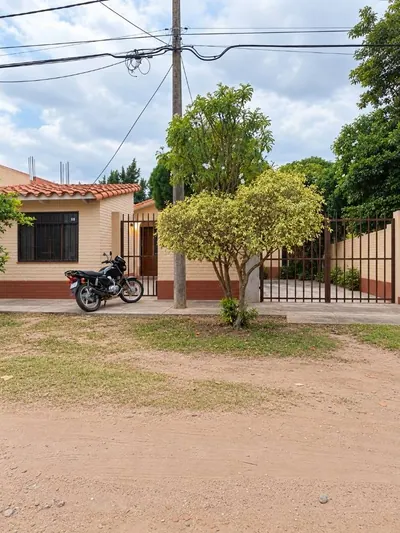
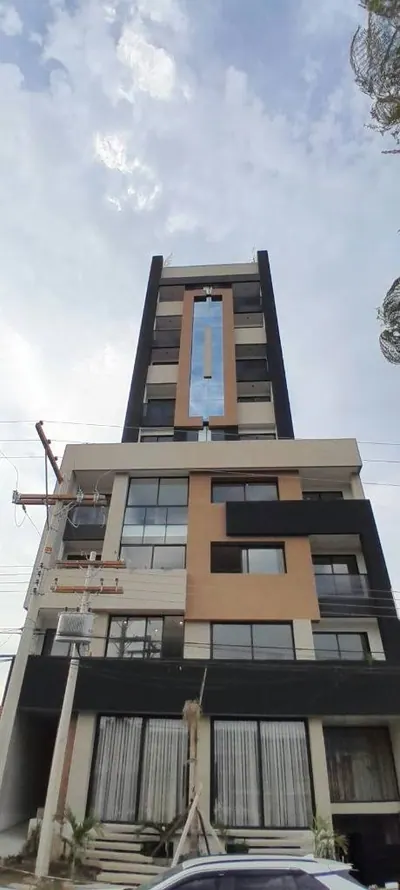
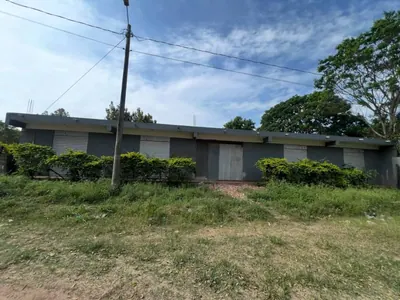
In dollars or in bolivianos?
Many anticréticos are agreed in dollars. Since late June 2026 the official exchange rate is no longer fixed, so the currency of repayment matters more than ever. The rule is that whatever the contract says is what applies — which is why it has to say it clearly (Visión 360, July 2026).
| If the contract says… | At the end… |
|---|---|
| That you handed over dollars and dollars are returned | Dollars are returned |
| That you handed over bolivianos for a sum in dollars, at a given exchange rate | You get back what the contract says, at that exchange rate |
| Nothing about the currency of repayment | That's where disputes start: agree on it in writing before signing |
Types of anticrético
| Type | What you hand over | What you pay each month |
|---|---|---|
| Anticrético | The full amount | No rent |
| Mixed anticrético | A smaller amount | Rent lower than the going rate |
| With purchase option | The amount, plus the option to buy the property later | No rent |
| Transfer (traspaso) | The amount to the current occupant, who assigns their contract to you | No rent, for the time left on the term |
With a purchase option, the contract states how much of the amount is credited against the price if you buy.
Anticrético or rent? Work out which suits you
Rent is money spent; an anticrético comes back to you. In exchange, an anticrético ties up a large sum for the whole contract. The real comparison is between the rent you don't pay and what that money could earn elsewhere.
Exchange rate and costs
The starting numbers are from casa.bo today: studio or 1-bedroom apartment in Equipetrol, median of 8 anticrético listings and 110 rentals. Swap in the ones for the property you like.
It doesn't count the risk of the amount not coming back on time, exchange rate changes or rent increases. It's a comparison, not a recommendation.
See anticréticos up to US$32,500What to check before signing
On the property
- An up-to-date folio real in the name of whoever signs, or a notarized power of attorney if someone else signs
- No registered mortgage or encumbrances
- Taxes, maintenance fees and utilities paid up, with the receipts in front of you
- An inventory of the property's condition and the meter readings
On the contract
- A public deed before a notary, then registered at Derechos Reales
- The amount, the currency and the exchange rate, in writing
- The date and method for returning the money
- Who pays the property taxes, the maintenance fees and major repairs
- What happens if either side wants to end it early
Risks and what protects you
| Risk | What protects you |
|---|---|
| The owner doesn't have the money at the end | You can stay in the property until you're paid (right of retention, art. 1435). With the contract registered, you also rank ahead of other creditors and can ask a judge to order the property sold at auction (arts. 1432 and 1433) |
| The property has a mortgage or gets sold | Check the encumbrances before signing and register the contract: from registration it holds against third parties (art. 1430) |
| Signing with someone who isn't the owner | A folio real in the name of whoever signs, or a notarized power of attorney |
| The exchange rate | The currency of repayment and the exchange rate, written into the contract |
| Your money losing value | You get back the same amount, with no interest: run the numbers with the calculator above |
Costs and taxes
On top of the lump sum there are costs: the notary, registration at Derechos Reales and the taxes on the contract. Ask the notary or an accountant for a breakdown before signing, and agree in writing who pays each one.
One little-known detail: under the Civil Code, unless the contract says otherwise, the property's taxes and annual charges are paid by the anticresista — that is, by you (art. 1434). If you want the owner to pay them, the contract has to say so.